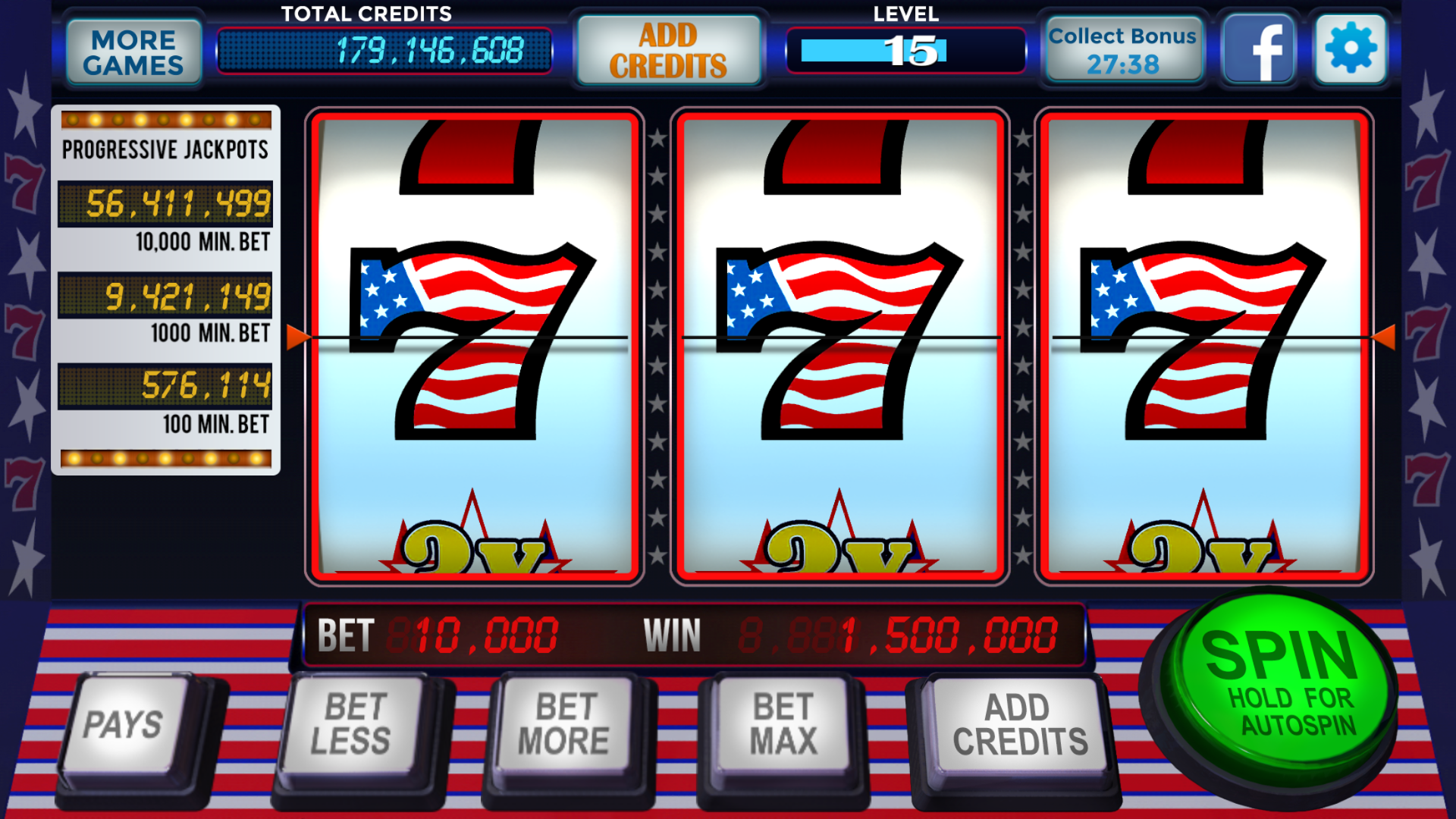
Permainan slot gratis adalah salah satu cara yang mengasyikkan untuk menghibur diri dan mencoba keberuntungan. Di dalam dunia online, ada banyak demo pragmatis yang menarik perhatian para penggemar judi di Indonesia. Dengan mengakses demo slot, Anda dapat merasakan sensasi bermain tanpa harus mengeluarkan uang sungguhan. Ini adalah kesempatan sempurna bagi pemula untuk memahami mekanisme permainan dan mencoba berbagai fitur menarik yang ditawarkan.
Salah satu slot demo populer adalah Mahjong Ways dari PG Soft. Dengan tema tradisional Mahjong, permainan ini menawarkan pengalaman yang menghibur dan menegangkan. Demo slot Mahjong Ways memungkinkan Anda untuk mengeksplorasi fitur-fitur unik, seperti Respin, Free Spins, dan berbagai simbol bonus yang dapat meningkatkan peluang menang Anda.
Namun, permainan slot demo tidak hanya terbatas pada Mahjong Ways. Ada banyak pilihan lain yang bisa Anda coba, seperti slot demo PG Soft, Monster, Starlight Princess, hingga Sugar Rush. Setiap permainan menawarkan tema dan fitur yang berbeda-beda, memberi Anda kesempatan untuk menemukan favorit pribadi Anda.
Selain itu, slot demo gratis juga memberi Anda kesempatan untuk memainkan permainan tanpa lag. Tidak ada yang lebih menjengkelkan daripada bermain slot online yang terus-menerus terputus karena masalah koneksi yang buruk. Dengan mengakses slot demo anti lag, Anda dapat menikmati pengalaman bermain yang lancar tanpa gangguan. Ini adalah fitur yang sangat dihargai oleh para pemain yang mencari kepuasan tanpa stres.
Akhirnya, jika Anda tertarik untuk bermain dengan uang sungguhan setelah mencoba slot demo, jangan khawatir. Anda dapat dengan mudah membuat akun slot demo tanpa harus memberikan informasi pribadi Anda. Ini memberi Anda kesempatan untuk merasakan sensasi bermain dengan taruhan sungguhan tanpa risiko kehilangan uang.
Dalam artikel ini, kami akan menjelajahi berbagai demo slot dan memberi Anda wawasan tentang berbagai fitur menarik yang ditawarkan. Jadi, mari kita mulai perjalanan ke dunia permainan slot yang mengasyikkan ini!
Apa itu Slot?
Slot adalah permainan kasino yang sangat populer di seluruh dunia. Dalam permainan slot, pemain diberikan kesempatan untuk memutar gulungan dalam mesin slot dengan tujuan untuk mendapatkan kombinasi simbol yang dapat memberikan hadiah. Setiap mesin slot memiliki tema yang berbeda, mulai dari buah-buahan klasik hingga petualangan yang menarik.
Dalam permainan slot, ada beberapa simbol yang memiliki nilai yang berbeda. Simbol dengan nilai tertinggi biasanya menghasilkan kemenangan yang lebih tinggi. Selain itu, ada juga simbol bonus yang dapat memicu fitur khusus atau putaran gratis dalam permainan. Para pemain memiliki peluang untuk memenangkan hadiah yang besar jika mereka berhasil mendapatkan kombinasi simbol yang tepat.
Dalam beberapa tahun terakhir, slot telah berkembang pesat dengan adanya permainan slot online. Sekarang, pemain dapat menikmati permainan slot kapan saja dan di mana saja melalui perangkat mobile atau komputer. Permainan slot online juga menawarkan berbagai variasi dan fitur menarik yang membuat pengalaman bermain semakin mengasyikkan.
Itulah gambaran tentang apa itu slot. Permainan ini memberikan kesempatan bagi pemain untuk merasakan kegembiraan dan keseruan dalam menjalani petualangan di mesin slot. Jadi, jika Anda menyukai tantangan dan kesempatan untuk memenangkan hadiah besar, cobalah permainan slot dan rasakan sendiri keseruannya!
Keuntungan Bermain Slot Gratis
Bermain slot gratis memberikan banyak keuntungan yang bisa dinikmati oleh para pemain. Pertama-tama, dengan bermain slot gratis, Anda tidak perlu mempertaruhkan uang sungguhan. Demo Slot Pg kesempatan untuk mencoba berbagai permainan slot tanpa risiko finansial. Anda dapat menguji strategi, mempelajari aturan permainan, dan mengeksplorasi fitur-fitur menarik yang ditawarkan oleh setiap permainan.
Keuntungan berikutnya adalah Anda dapat mengasah keterampilan Anda tanpa harus mengeluarkan uang. Dengan bermain slot gratis, Anda memiliki kesempatan untuk melatih keberuntungan Anda, melembutkan kemampuan bermain Anda, dan meningkatkan pemahaman tentang bagaimana mesin slot bekerja. Ini akan mempersiapkan Anda dengan lebih baik ketika Anda memutuskan untuk bermain dengan uang sungguhan di kemudian hari.
Terakhir, bermain slot gratis juga memberi Anda hiburan yang mengasyikkan. Meskipun tidak ada uang yang dipertaruhkan, sensasi dan kegembiraan dari permainan slot tetap ada. Anda dapat menikmati grafik yang menakjubkan, efek suara yang menghadirkan suasana, dan fitur-fitur bonus yang memikat. Nikmati waktu Anda dengan slot gratis dan rasakan kesenangan tanpa tekanan keuangan.
Inilah beberapa keuntungan menarik yang bisa Anda dapatkan dengan bermain slot gratis. Tidak hanya menghibur, tetapi juga memberi Anda kesempatan unik untuk belajar dan mengasah keterampilan Anda dalam permainan ini. Jadi, jangan ragu untuk mencoba permainan slot gratis dan nikmati pengalaman mengasyikkan yang ditawarkan!
Mengapa Mencoba Slot Demo Pragmatis
Slot demo pragmatis adalah cara yang menyenangkan untuk mencoba permainan slot tanpa perlu mengeluarkan uang sungguhan. Ada beberapa alasan mengapa Anda harus mencoba slot demo pragmatis ini.
Pertama, slot demo pragmatis memberi Anda kesempatan untuk mempelajari permainan sebelum Anda bertaruh dengan uang sungguhan. Dengan mencoba slot demo, Anda dapat memahami mekanisme permainan, langkah-langkah yang perlu diambil, dan berbagai fitur bonus yang ditawarkan. Hal ini sangat bermanfaat bagi pemain baru yang ingin familiar dengan permainan slot sebelum benar-benar bermain dengan uang nyata.
Kedua, slot demo pragmatis juga menawarkan kesempatan untuk menguji strategi permainan Anda tanpa kehilangan uang. Anda dapat mencoba berbagai taruhan, kombinasi, dan taktik untuk melihat mana yang paling efektif dan menguntungkan. Dengan mencoba slot demo, Anda dapat meningkatkan kemampuan permainan Anda sebelum memasang taruhan nyata.
Terakhir, meskipun tidak ada uang nyata yang terlibat dalam slot demo pragmatis, pengalaman bermainnya tetap seru dan menghibur. Anda dapat menikmati efek suara yang menarik, grafis yang memukau, dan sensasi menang besar seperti ketika bermain dengan uang sungguhan. Slot demo pragmatis adalah alternatif yang bagus untuk mengisi waktu luang atau menghilangkan stres tanpa merasakan tekanan finansial.
Jadi, bermain slot demo pragmatis adalah pilihan yang cerdas dan mengasyikkan. Anda dapat mempelajari permainan, menguji strategi, dan menikmati sensasi permainan slot tanpa risiko finansial. Tunggu apa lagi? Coba slot demo pragmatis sekarang dan rasakan sendiri keseruannya!